Building Endtide
A game built end to end with AI
I have wanted to make a game since the original Age of Empires fell out of a cereal box. I grew up and built enterprise AI instead. Endtide is that debt finally paid, by pushing AI as far as it will go.
The dream
Age of Empires from a cereal box, demo discs from PC magazines, the first Ratchet & Clank teaching me what it feels like when the people who made a thing sweated every detail. I wanted to make games. The execution cost was always the wall: code, art, music, marketing, each one a career.
So I built software instead. Enterprise AI by day, Pelaris in the margins. The game itch never left.
The experiment
That wall just fell. Endtide measures how far. The rule of this build: if AI can make it, AI makes it. The Unity C#, the 3D assets, the balancing tools, the website, the marketing screenshots. My job is direction, taste, and the final call.
It is the same discipline I apply to AI at enterprise scale, with the constraints deliberately loosened to find the edges. The findings flow back into the day job.
From prompt to prefab
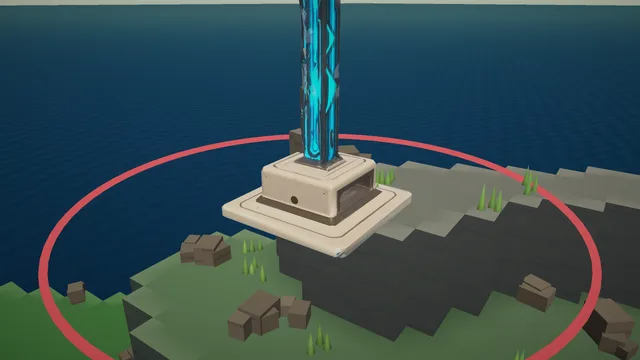
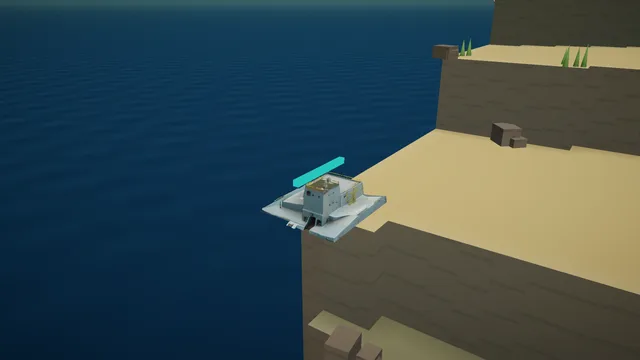
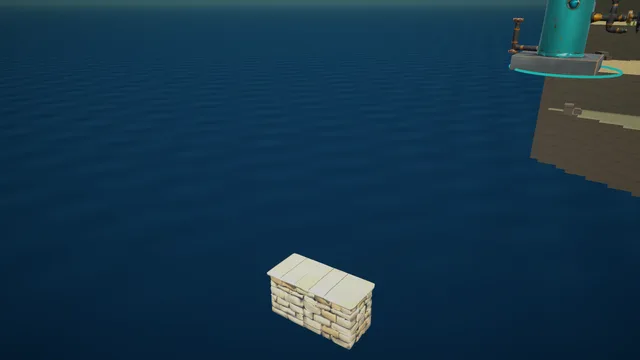
The build runs as an agentic loop. Claude Code orchestrates: it writes the Unity C#, composes asset prompts from a locked art-direction spec, calls Meshy to generate the 3D models, imports them into Unity through editor scripts, and then verifies its own work with headless renders of the running game. Every building below went through that loop.
The screenshots are part of the same system. A batch-mode harness boots the simulation, stages the scene, and captures marketing shots without a human touching the camera. Every screenshot on playendtide.com comes straight out of the simulation.
The enemy is the ocean
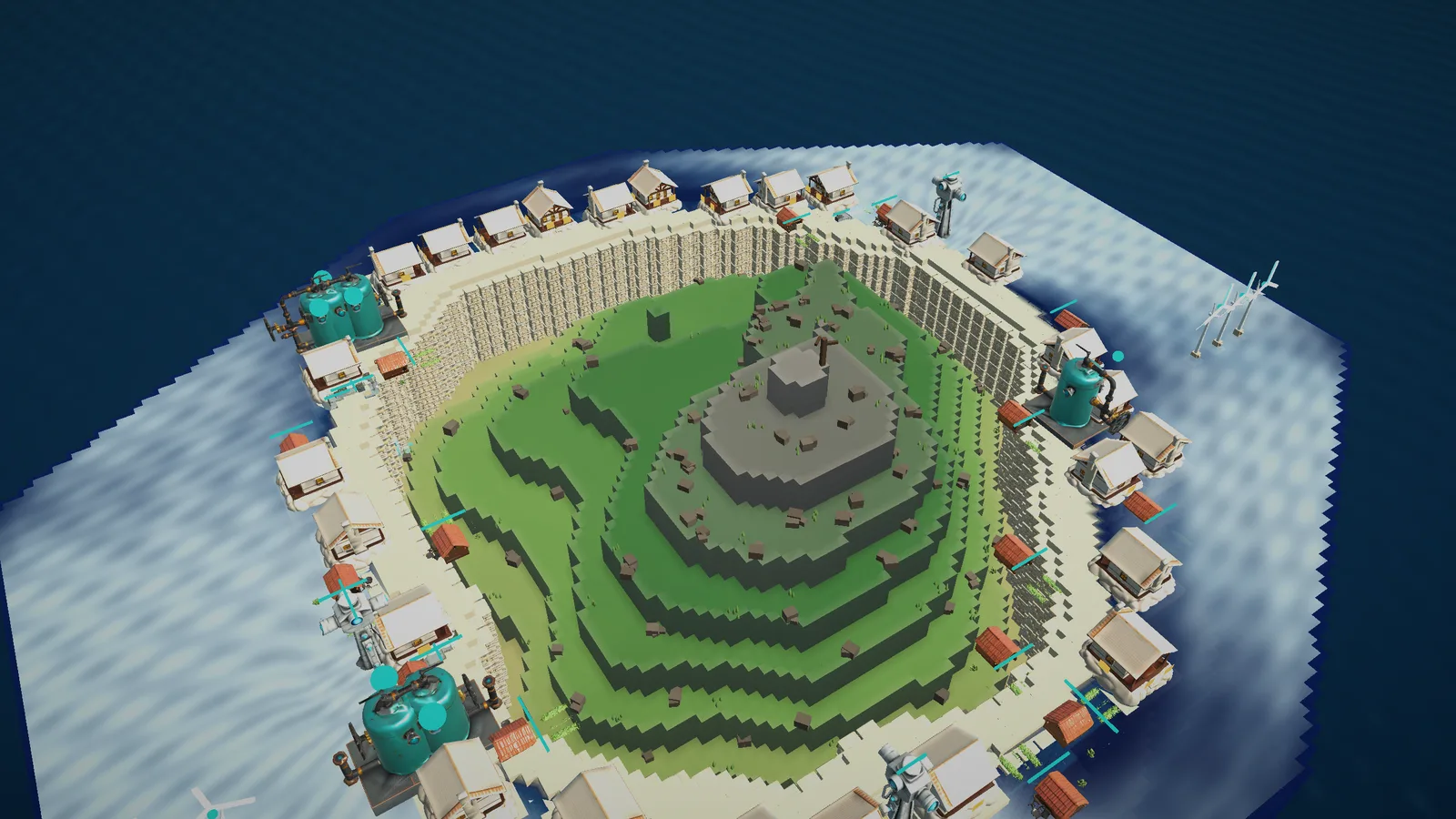
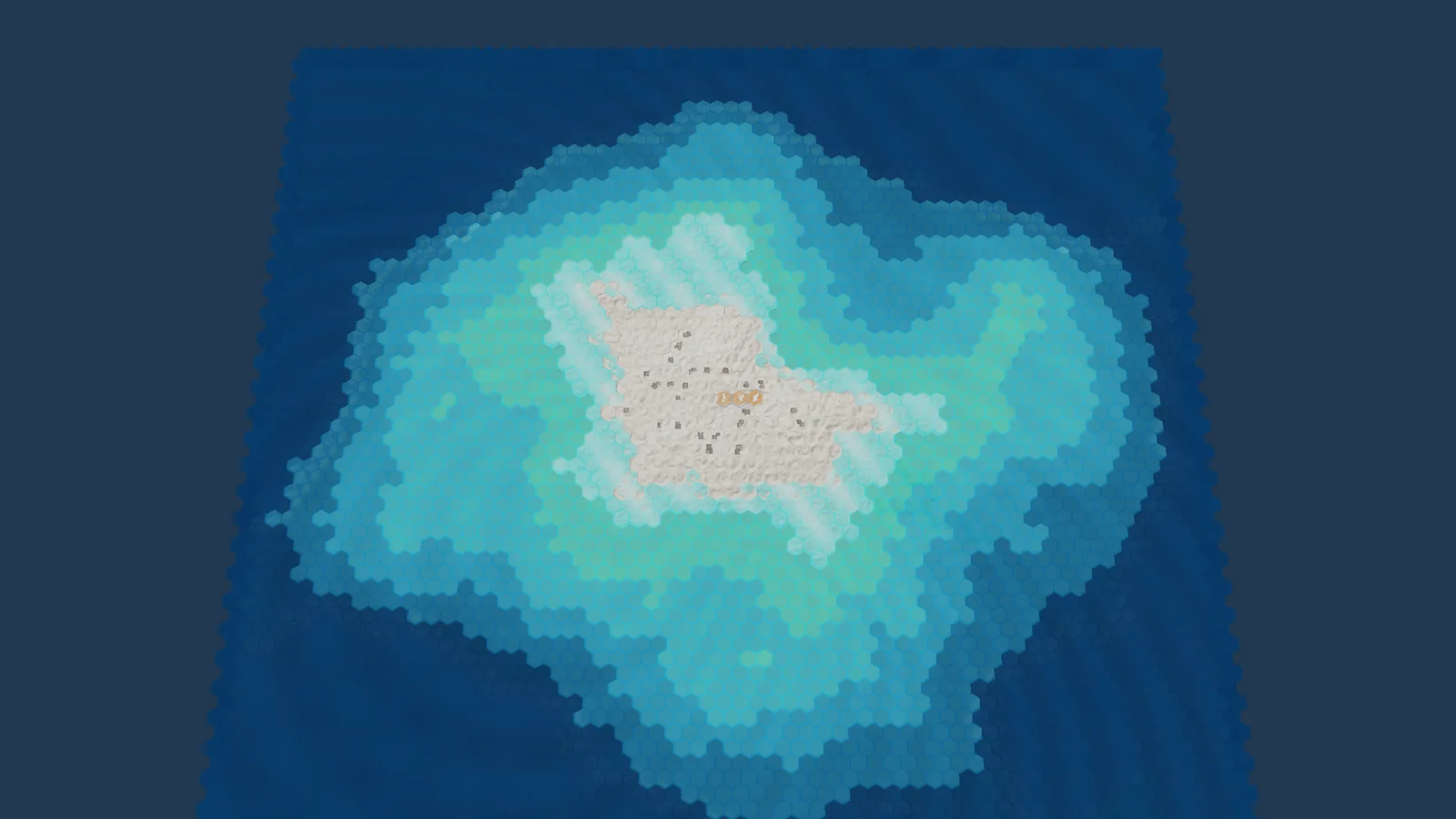
Endtide is a roguelite tower defence where the enemy is not an army. It is a physically simulated sea that only rises. You wall a warm, living city against cold water, hold the line through every tide, and put the ocean to work while it tries to drown you.
When a city drowns, and cities drown, you wind the world clock back and found a better one. Losing is a move, not a failure state. The design owes its north stars to Civilization's long view, Creeper World's fluid enemy, and Timberborn's conviction that controlling water with engineering is a joy.
Solo-built in Melbourne on a deterministic simulation core. In development now, pre-alpha. Every capture comes straight out of a running build.
The stack
Unity on a deterministic simulation core. Claude Code as the orchestrating developer. Meshy for generative 3D assets. Headless batch-mode harnesses for rendering, testing, and marketing captures.
One person directing. AI executing. Same pattern as everything else I build.
Rules of the experiment
- If AI can make it, AI makes it. Code, assets, tooling, site
- Human judgement. Direction, taste, and the final call on hero pieces
- Locked art direction. Every asset prompt pinned to one style spec
- The loop verifies itself. Headless renders check every change
- Findings feed the day job. What breaks here informs what I build at work
Stand the watch
The site, the screenshots, and the pre-alpha story live at playendtide.com.